Meesho vs Amazon Selling in India (2026): Which Platform Is Better for Sellers?
Quick Answer
Is Meesho or Amazon better for selling in India?
The answer depends on your business goals.
- Meesho is better for beginners, low-investment sellers, and social-commerce-based selling.
- Amazon is better for long-term scalability, higher customer trust, and premium ecommerce growth.
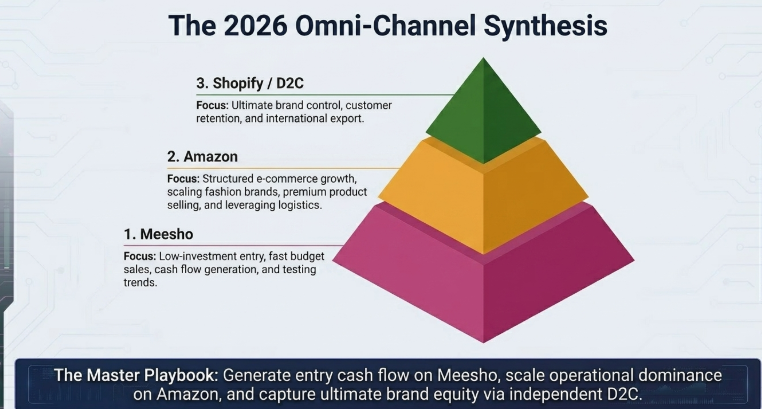
In 2026, many successful sellers use both platforms strategically. Meesho helps generate faster entry-level sales, while Amazon supports stronger operational scaling and larger ecommerce opportunities.
The best platform depends on your budget, product category, branding strategy, and long-term business vision.
Introduction
India’s ecommerce industry is growing faster than ever.
Among all online selling platforms, two names dominate seller discussions:
- Meesho
- Amazon
Both platforms give sellers access to millions of customers.
But they work very differently.
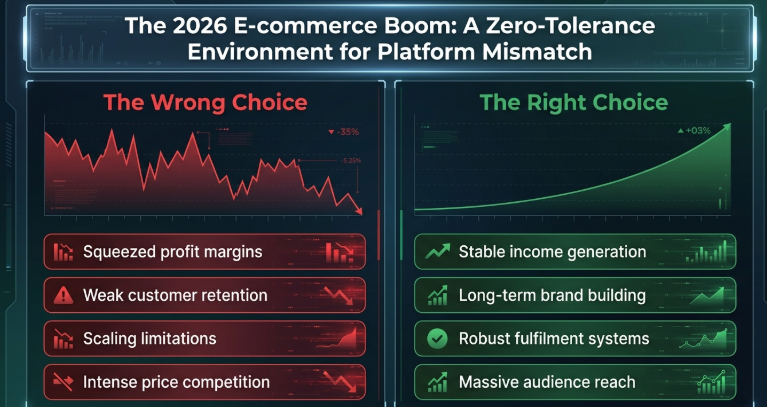
Choosing the wrong platform can lead to:
- Low profit margins
- Weak customer retention
- Operational difficulties
- Intense price competition
- Scaling limitations
At the same time, choosing the right platform can help sellers:
- Grow faster
- Build stable income
- Reach larger audiences
- Improve fulfillment systems
- Scale long-term ecommerce businesses
In this guide, we’ll compare Meesho vs Amazon selling in India across profitability, competition, branding, logistics, scalability, and seller opportunities in 2026.
What Is Meesho?
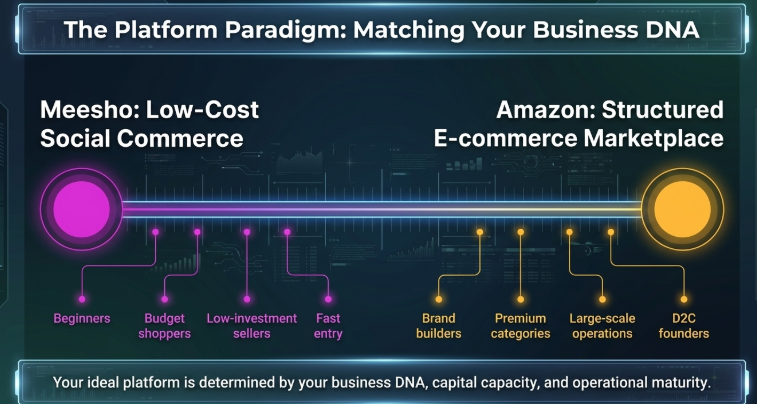
Meesho is a social-commerce-focused ecommerce platform popular among:
- Resellers
- Beginners
- Budget-focused shoppers
- Low-investment sellers
Meesho became popular because it simplified online selling for small sellers across India.
The platform focuses heavily on:
- Affordable products
- Social sharing
- Mobile-first selling
- Reseller-friendly operations
Fashion, jewelry, and low-ticket products perform strongly on Meesho.
Sellers interested in low-investment fashion categories can also understand this model better through this guide on jewellery dropshipping in India.
What Is Amazon?
Amazon is India’s largest premium ecommerce marketplace.
It focuses heavily on:
- Customer trust
- Faster delivery
- Structured fulfillment
- Product consistency
- Large-scale ecommerce operations
Amazon supports:
- Small sellers
- D2C brands
- Manufacturers
- Private label businesses
- Large ecommerce companies
Because of its scale, Amazon offers massive traffic potential — but competition is also much higher.
Sellers planning marketplace expansion can also understand this ecosystem better through this guide on Amazon dropshipping in India.
Meesho vs Amazon: Core Difference
Meesho = Low-Cost Social Commerce
Meesho mainly works for:
- Budget product selling
- Trend-based products
- Social sharing
- Fast beginner entry
It is easier for beginners with lower investment capacity.
Amazon = Structured Ecommerce Marketplace
Amazon works better for:
- Brand building
- Long-term scaling
- Premium product categories
- Larger ecommerce businesses
It requires stronger operational systems but offers better long-term scalability.
Meesho vs Amazon Comparison Table
| Factor | Meesho | Amazon |
|---|---|---|
| Entry Difficulty | Lower | Moderate |
| Customer Trust | Moderate | Very High |
| Profit Margins | Lower | Moderate to High |
| Branding Opportunity | Limited | Strong |
| Competition | High | Very High |
| Product Quality Expectations | Moderate | High |
| Fulfillment Standards | Flexible | Strict |
| Long-Term Scalability | Moderate | High |
| Social Commerce Strength | Very Strong | Limited |
| Premium Brand Potential | Weak | Strong |
Why Meesho Is Popular Among Beginners
1. Low Entry Barrier
Meesho allows sellers to start with:
- Lower investment
- Simple product sourcing
- Easier onboarding
- Budget-friendly operations
This attracts first-time ecommerce sellers.
2. Strong Social Commerce Model
Many Meesho sellers generate sales through:
- WhatsApp sharing
- Facebook groups
- Instagram promotion
- Personal networks
This makes the platform attractive for reseller-style businesses.
3. Budget-Focused Customer Base
Meesho customers are generally more price-sensitive.
This creates opportunities for:
- Fast-moving low-cost products
- Jewelry
- Accessories
- Budget fashion
Why Amazon Is Better for Long-Term Ecommerce Growth
1. Higher Customer Trust
Amazon customers expect:
- Better product quality
- Faster shipping
- Reliable service
- Professional fulfillment
This creates stronger buyer confidence.
2. Better Scalability
Amazon supports:
- Large product catalogs
- Advanced logistics
- Nationwide fulfillment
- Long-term business growth
Serious ecommerce businesses usually scale better on Amazon.
3. Better Premium Product Potential
Premium categories perform much better on Amazon compared to Meesho.
Especially:
- Branded fashion
- Premium clothing
- White label products
- Specialized niches
Fashion Selling: Meesho vs Amazon
Meesho for Fashion
Meesho works well for:
- Budget women’s wear
- Trend-based fashion
- Artificial jewelry
- Low-ticket products
However, branding opportunities remain limited.
Amazon for Fashion
Amazon supports stronger fashion scaling because it rewards:
- Better reviews
- Faster fulfillment
- Product consistency
- Professional operations
This is especially important for clothing businesses.
Many sellers building long-term fashion brands now prefer structured fulfillment systems instead of generic reseller-style sourcing. Businesses wanting to understand this model better can explore this guide on white label dropshipping.
Shopify vs Marketplace Dependency
One major challenge with marketplaces is platform dependency.
Sellers do not fully control:
- Customer relationships
- Branding
- Platform visibility
- Marketplace policies
This is why many experienced sellers eventually build independent ecommerce stores alongside marketplaces.
New ecommerce sellers planning to build long-term fashion brands can also learn through this guide on how to start dropshipping on Shopify.
Why Supplier Quality Matters
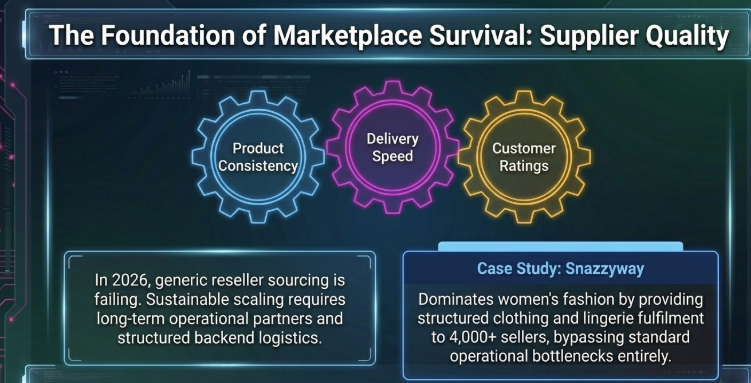
Regardless of platform, supplier reliability directly impacts:
- Product consistency
- Delivery speed
- Return rates
- Customer reviews
- Seller ratings
This becomes extremely important in fashion categories where customer experience strongly affects repeat sales.
Sellers searching for reliable women’s fashion sourcing partners often prefer suppliers with long-term operational experience and stable fulfillment systems. Learn more about clothing dropshipping suppliers in India and how modern fashion fulfillment works.
For example, Snazzyway has become popular among many women’s fashion sellers because it works with 4000+ ecommerce sellers and focuses heavily on structured clothing and lingerie fulfillment systems.
Common Ecommerce Challenges in 2026
Most ecommerce businesses fail because of operational problems rather than marketing alone.
Common issues include:
- Delayed fulfillment
- Inventory instability
- Poor customer experience
- Weak branding
- Rising competition
Many beginners underestimate these operational problems while scaling. Understanding these issues early through this guide on major dropshipping challenges and solutions can help avoid costly mistakes.
International Expansion Opportunities
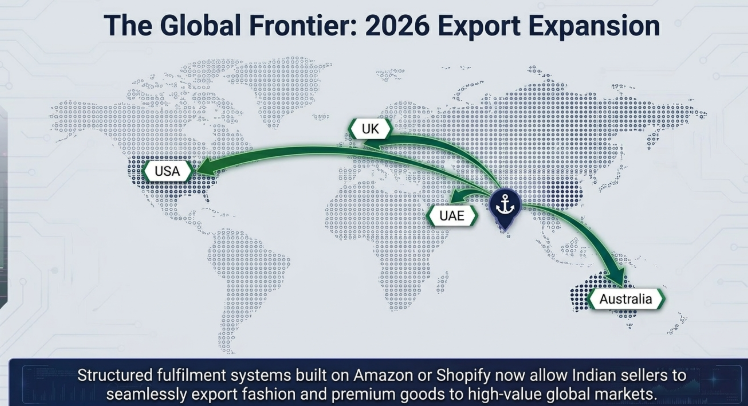
Many Indian sellers are now expanding internationally through structured ecommerce systems.
Popular export-focused markets include:
- UK
- UAE
- USA
- Australia
Fashion categories especially have strong global demand.
Businesses interested in international ecommerce growth can also read this detailed guide on dropshipping from India to the UK.
Pros and Cons
Meesho Pros
- Easier for beginners
- Lower investment requirement
- Strong social-commerce support
- Faster low-ticket sales
- Budget-friendly customer base
Meesho Cons
- Lower margins
- Limited branding opportunities
- High price competition
- Lower premium product potential
Amazon Pros
- Massive customer trust
- Better scalability
- Strong logistics network
- Higher premium selling potential
- Better long-term ecommerce growth
Amazon Cons
- Higher competition
- Strict policies
- Rising marketplace fees
- Strong operational requirements
Our Recommendation
| Business Goal | Better Platform |
|---|---|
| Beginner Selling | Meesho |
| Low-Investment Entry | Meesho |
| Long-Term Brand Building | Amazon |
| Premium Product Selling | Amazon |
| Social Commerce | Meesho |
| Fashion Brand Scaling | Amazon |
| Structured Ecommerce Growth | Amazon |
| Fast Budget Sales | Meesho |
For most serious ecommerce businesses in 2026, Amazon provides stronger long-term growth opportunities because it supports scalable operations, premium selling, and better customer trust.
However, Meesho remains a strong entry-level platform for beginners and reseller-focused businesses.
Our Insight
India’s ecommerce industry is evolving rapidly.
Winning sellers today compete on:
- Customer trust
- Product consistency
- Fulfillment quality
- Brand experience
- Operational reliability
This trend strongly benefits structured ecommerce businesses over purely low-cost reselling.
Meesho remains excellent for beginner entry and social commerce.
But Amazon usually creates stronger long-term ecommerce opportunities because it rewards quality, consistency, and operational strength.
Final Thoughts
Meesho and Amazon are both powerful ecommerce platforms in India.
But they suit different seller goals.
Choose Meesho if you want:
- Easier beginner entry
- Lower investment
- Social-commerce selling
- Faster low-ticket sales
Choose Amazon if you want:
- Long-term scalability
- Better customer trust
- Premium ecommerce growth
- Stronger operational systems
In 2026, the strongest ecommerce businesses are usually the ones that combine strong branding, reliable fulfillment, and customer-focused operations.
FAQs
Is Meesho better than Amazon for beginners?
Yes. Meesho is usually easier for beginners because it requires lower investment and simpler operations.
Is Amazon more profitable than Meesho?
Amazon often provides better long-term profitability because of stronger customer trust and premium product opportunities.
Which platform is better for fashion selling?
Amazon is generally better for long-term fashion brand building, while Meesho works well for budget and trend-based fashion products.
Can I sell on both Meesho and Amazon?
Yes. Many sellers use both platforms to maximize sales and reach different customer segments.
Why is Meesho popular in India?
Meesho became popular because it simplified social-commerce-based selling for small sellers and resellers.
Why do many sellers eventually move toward Amazon?
Because Amazon supports better scalability, customer trust, and long-term ecommerce growth.
Is supplier quality important for marketplace selling?
Yes. Supplier quality directly impacts delivery speed, reviews, return rates, and customer satisfaction.
Why is branding becoming important in ecommerce?
Modern ecommerce customers prefer trusted brands with better experiences, reliable fulfillment, and consistent product quality.