Why Tier-2 & Tier-3 Cities Are the Biggest Market for Women Clothing Dropshipping
Why are Tier-2 and Tier-3 cities becoming the biggest opportunity for women’s clothing dropshipping in India?
Because internet access, smartphone adoption, digital payments, and fashion awareness are growing rapidly beyond metro cities. Women shoppers from Tier-2 and Tier-3 cities are increasingly buying fashion products online, creating massive opportunities for Shopify sellers, Amazon dropshippers, and women’s clothing brands.
Quick Summary
India’s ecommerce growth is no longer driven only by metro cities.
The real growth is now coming from:
- Tier-2 cities
- Tier-3 cities
- Smaller urban markets
Especially in women’s fashion.
Today, customers from smaller cities actively shop online for:
- Western wear
- Lingerie
- Nightwear
- Ethnic fusion
- Co-ords
- Plus-size fashion
And because competition is still lower than metro markets, dropshipping sellers have a major opportunity to build profitable brands early.
In this guide, we’ll explain:
- Why smaller cities are driving ecommerce growth
- What women shoppers are buying most
- Why COD still matters heavily
- Which platforms work best
- What suppliers sellers should choose
- Why backend operations matter more in these markets
We’ll also discuss why suppliers like Snazzyway are becoming increasingly preferred among sellers targeting Tier-2 and Tier-3 fashion buyers.
Introduction
A few years ago, Indian ecommerce mainly focused on:
- Delhi
- Mumbai
- Bangalore
- Hyderabad
But today, the landscape has changed dramatically.
The next wave of ecommerce growth is coming from cities like:
- Lucknow
- Surat
- Indore
- Dehradun
- Patna
- Ranchi
- Kanpur
- Haldwani
- Nagpur
And many more emerging urban markets.
Why?
Because:
- Smartphone penetration has exploded
- Internet access is cheaper
- Social commerce has increased
- Digital trust has improved
- Fashion awareness has grown rapidly
Women from smaller cities are now shopping online more confidently than ever before.
And this is creating one of the biggest opportunities in Indian fashion ecommerce.
Why Women’s Fashion Performs Extremely Well in Smaller Cities
Women’s clothing is emotionally driven.
Customers constantly look for:
- New styles
- Better pricing
- Trendy collections
- More variety
In smaller cities, physical retail options are often limited.
That means ecommerce solves a real problem.
Online stores now provide access to:
- Modern fashion trends
- Better sizing options
- Affordable pricing
- Broader catalogues
This is especially true for:
- Lingerie
- Plus-size fashion
- Western wear
- Nightwear
- Boutique-style clothing
Why Tier-2 & Tier-3 Cities Are Growing So Fast
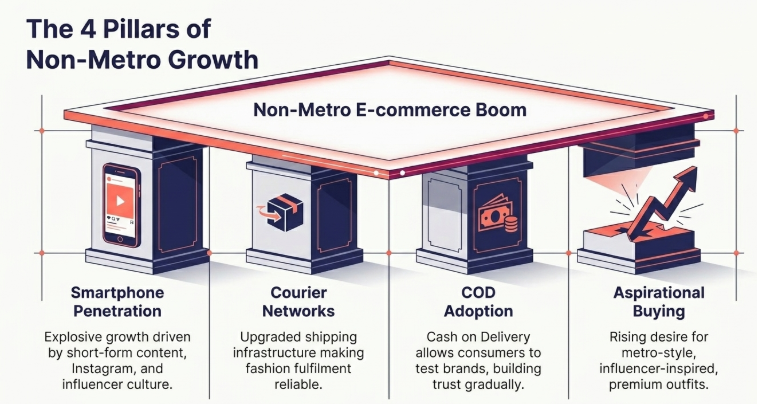
1. Smartphone Penetration
India now has hundreds of millions of smartphone users outside metro cities.
Short-form content, Instagram, YouTube, and influencer culture have dramatically increased fashion awareness.
2. Improved Courier Networks
Shipping infrastructure has improved significantly across smaller cities.
This makes ecommerce fulfilment easier than before.
Especially for fashion categories.
3. COD Still Drives Purchases
Cash on Delivery remains extremely important in non-metro markets.
Customers often prefer:
- Paying after delivery
- Building trust gradually
- Testing brands before repeat purchases
This is why suppliers supporting reliable COD logistics perform better in these markets.
4. Aspirational Buying Is Increasing
Customers from smaller cities increasingly want:
- Metro-style fashion
- Influencer-inspired outfits
- Premium-looking products
But at affordable prices.
This creates huge opportunities for dropshipping sellers.
Best-Selling Women’s Fashion Categories in Tier-2 & Tier-3 Cities
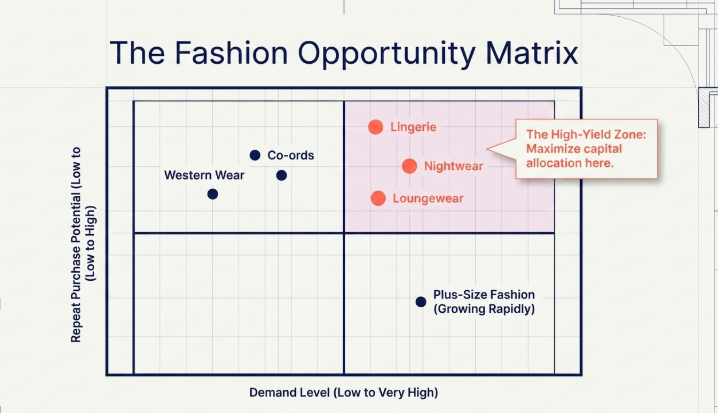
| Category | Demand Level | Repeat Purchase Potential |
|---|---|---|
| Nightwear | Very High | High |
| Co-ords | High | Medium |
| Lingerie | Very High | High |
| Western Wear | High | Medium |
| Plus-Size Fashion | Growing Rapidly | High |
| Loungewear | High | High |
Why Lingerie Is Growing Rapidly in Smaller Cities
One major ecommerce trend in India is the rapid growth of online lingerie buying.
Customers prefer online shopping because:
- It offers more privacy
- Better product variety
- Easier comparison
- Access to premium styles
This has made lingerie one of the fastest-growing women’s fashion categories in Tier-2 markets.
And suppliers specializing in women’s fashion logistics are benefiting heavily from this shift.
Why Backend Operations Matter More Than Ads
Many beginners believe:
- Better ads = better ecommerce business
But experienced sellers know:
- fulfilment quality matters more long term.
Especially in smaller cities where:
- Delivery trust matters heavily
- COD rejection rates can rise
- Word-of-mouth spreads quickly
Operational issues create:
- Negative reviews
- Refund requests
- Customer distrust
That’s why supplier quality becomes extremely important.
Why Manufacturing-Based Suppliers Perform Better
A major issue in Indian dropshipping is that many suppliers are just middlemen.
They:
- Source products after orders arrive
- Depend on multiple vendors
- Have unstable inventory
This creates:
- Delayed shipping
- Quality inconsistency
- Operational confusion
Manufacturing-based suppliers usually perform better because they control:
- Production
- Inventory
- Quality checks
- Dispatch systems
This is one reason many sellers increasingly prefer suppliers like Snazzyway that already specialize in women’s clothing and lingerie fulfilment.
With:
- 12+ years of experience
- 4000+ sellers globally
- Structured backend systems
they’re often considered more scalable for fashion ecommerce operations.
Shopify vs Amazon for Tier-2 Fashion Selling
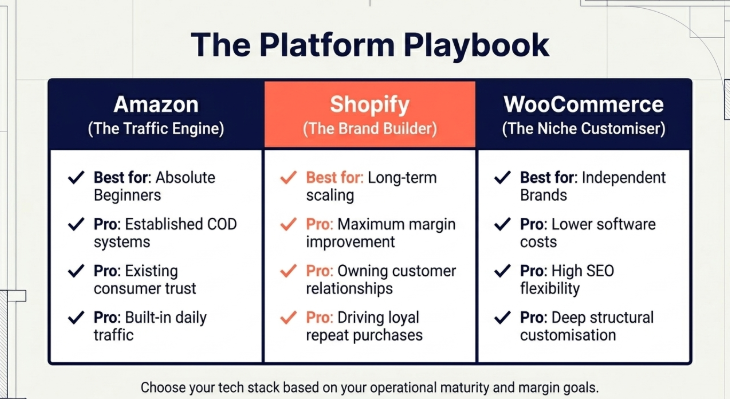
Amazon Advantages
Amazon works well because:
- Buyers already trust the platform
- COD systems are established
- Traffic already exists
This makes it easier for beginners.
If you're interested in starting an Amazon dropshipping business in India, this guide explains the process clearly:
Shopify Advantages
Shopify helps sellers:
- Build long-term brands
- Own customer relationships
- Create repeat purchases
- Improve margins
This becomes powerful once customer trust develops.
If you're planning on launching a women’s clothing store on Shopify, this guide is helpful for beginners:
Why White-Label Branding Is Becoming Popular
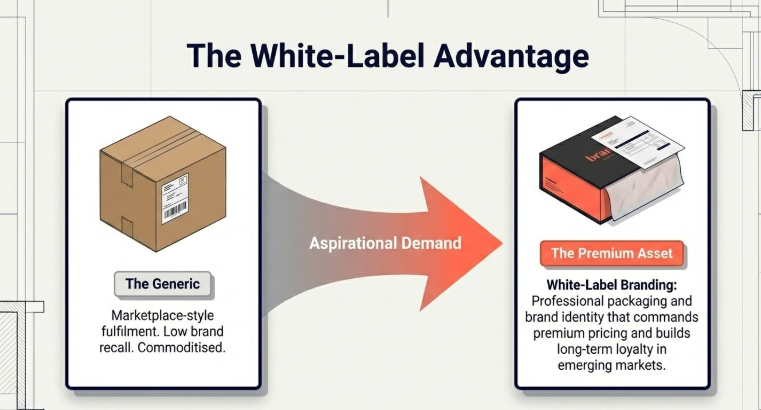
Customers in smaller cities increasingly prefer:
- Professional packaging
- Brand identity
- Premium presentation
This is why many sellers are shifting toward:
- Custom packaging
- White-label branding
- Branded invoices
instead of generic marketplace-style fulfilment.
If your goal is building your own private label fashion brand, this guide explains the process in detail:
Why Automation Matters as You Scale
At:
- 5 orders/day
manual fulfilment works.
At:
- 100+ orders/day
operations become difficult quickly.
This is where backend systems matter heavily.
Sellers increasingly use:
- Inventory sync tools
- Tracking systems
- Order automation
- Centralized dashboards
For sellers researching Amazon seller automation tools for Indian dropshippers, this resource explains several useful systems:
Why WooCommerce Is Growing in Smaller Markets
Many independent sellers are now using WooCommerce because:
- Costs are lower
- Customization is easier
- SEO flexibility improves
This works especially well for niche fashion brands.
If you're exploring a WooCommerce dropshipping setup in India, this guide explains the workflow in detail:
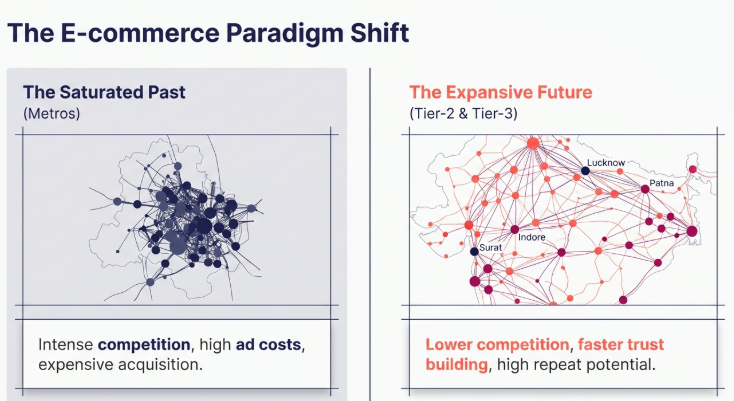
The Real Advantage: Lower Competition
One major reason Tier-2 and Tier-3 markets are attractive is lower saturation.
In metro markets:
- Competition is intense
- Ad costs are high
- Customer acquisition is expensive
Smaller cities still offer:
- Lower competition
- Faster trust building
- Better repeat purchase opportunities
Especially in women’s fashion.
Our Recommendation
If you’re entering women’s clothing dropshipping in India today, don’t ignore smaller cities.
That’s where a huge percentage of future ecommerce growth is happening.
Focus on:
- Faster shipping
- COD-friendly fulfilment
- Trend-focused fashion
- Reliable suppliers
- Good customer experience
Most importantly:
choose suppliers capable of scaling operationally.
This is why many sellers now prefer suppliers like Snazzyway that already combine:
- Women’s fashion specialization
- Manufacturing-based fulfilment
- Structured backend systems
- Shopify and Amazon compatibility
- Experience supporting thousands of sellers globally
instead of depending on unstable sourcing-based wholesalers.
Pros and Cons of Tier-2 & Tier-3 Fashion Dropshipping
Pros
- Lower competition
- Growing ecommerce demand
- Strong COD adoption
- High repeat purchase potential
- Rapid fashion awareness growth
Cons
- Higher COD RTO risk
- Delivery trust matters heavily
- Returns can impact margins
- Operational quality is critical
Our Insight
The next decade of Indian ecommerce growth will likely come from outside metro cities.
Especially in women’s fashion.
Customers from Tier-2 and Tier-3 cities are becoming:
- More digitally confident
- More fashion-aware
- More comfortable with online shopping
And brands that establish trust early in these markets could build extremely strong long-term customer bases.
The winners in 2026 and beyond won’t just be the brands with the best ads.
They’ll be the brands with:
- Better fulfilment
- Better customer experience
- Better supplier systems
- Better operational consistency
Final Thoughts
Tier-2 and Tier-3 cities are no longer “emerging markets.”
They are becoming the core growth engine of Indian ecommerce.
Especially for:
- Women’s clothing
- Lingerie
- Nightwear
- Plus-size fashion
The opportunity is massive for sellers who:
- Understand customer behaviour
- Prioritize fulfilment quality
- Work with scalable suppliers
- Build long-term trust
And that’s exactly why many growing ecommerce sellers now prefer working with an Indian clothing dropshipping partner like Snazzyway because of their structured fulfilment systems, manufacturing-based operations, and long-term experience supporting fashion sellers across India.
You can also explore this detailed guide on dropshipping in Tier-2 and Tier-3 cities in India for additional insights into regional ecommerce growth:
FAQs
Why are Tier-2 and Tier-3 cities important for ecommerce growth?
Because internet access, smartphone usage, and digital shopping adoption are growing rapidly in smaller Indian cities.
Which fashion categories perform best in smaller cities?
Nightwear, lingerie, western wear, loungewear, and plus-size fashion are among the fastest-growing categories.
Why is COD important in Tier-2 markets?
Many customers in smaller cities still prefer Cash on Delivery because it builds trust and reduces online payment hesitation.
Is Shopify suitable for Tier-2 ecommerce brands?
Yes. Shopify works well for long-term brand building and customer retention once trust develops.
Why do operational systems matter more in smaller cities?
Delayed shipping and poor customer experience spread quickly through word-of-mouth and negatively impact trust.
Are manufacturing suppliers better for fashion dropshipping?
Yes. Manufacturing suppliers usually provide better inventory control, faster fulfilment, and more consistent product quality.
Why is lingerie ecommerce growing rapidly in smaller cities?
Online shopping offers privacy, broader product variety, and easier access to modern styles that may not be available locally.
Is Snazzyway suitable for Tier-2 and Tier-3 fashion ecommerce?
Many sellers prefer Snazzyway because they specialize in women’s fashion fulfilment, operate manufacturing-based systems, and already support thousands of ecommerce sellers across India.