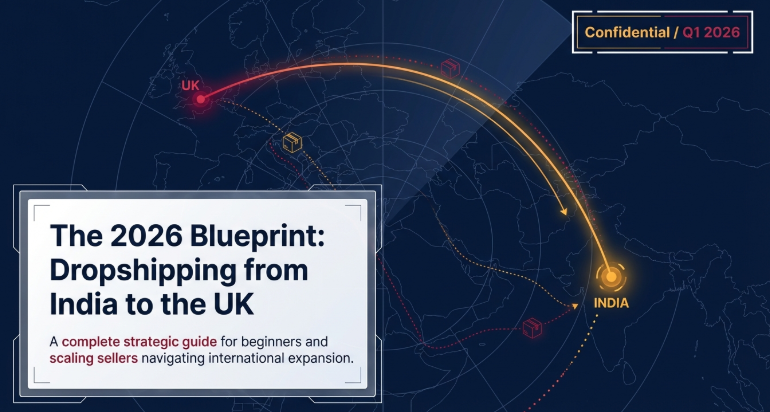
Dropshipping From India To UK (2026): Complete Guide for Beginners & Scaling Sellers
❓ Is dropshipping from India to the UK profitable in 2026?
Yes, dropshipping from India to the UK is profitable due to India’s low manufacturing costs and the UK’s strong ecommerce demand. However, success depends on supplier reliability, delivery speed, and product quality.
Quick Summary
Dropshipping from India to the UK is growing rapidly in 2026 as sellers tap into global markets with higher purchasing power.
In this guide, you’ll learn:
- How India-to-UK dropshipping works
- Shipping timelines and expectations
- Best products to sell
- Supplier strategies that actually work
- Platform options for beginners and scaling
If you want to build a global ecommerce business from India, this guide will help you avoid common mistakes and scale faster.
Introduction
Most Indian dropshippers start locally, but many quickly realize that international markets like the UK offer better margins and more consistent buyers.
The opportunity is real — but so are the challenges:
One of the biggest challenges in international dropshipping is finding reliable suppliers, which is why many sellers start by working with Indian suppliers for clothing dropshipping to ensure better quality and consistency before expanding globally.
- Delivery expectations are higher
- Product quality matters more
- Customer trust is harder to build
If you're new, it’s helpful to first understand Shopify for beginners before moving into international selling.
Once your fundamentals are clear, expanding into markets like the UK becomes much easier.
What is Dropshipping from India to the UK?
Dropshipping from India to the UK means you sell products to UK customers while your supplier in India handles packaging and international shipping.
You don’t hold inventory — but you control:
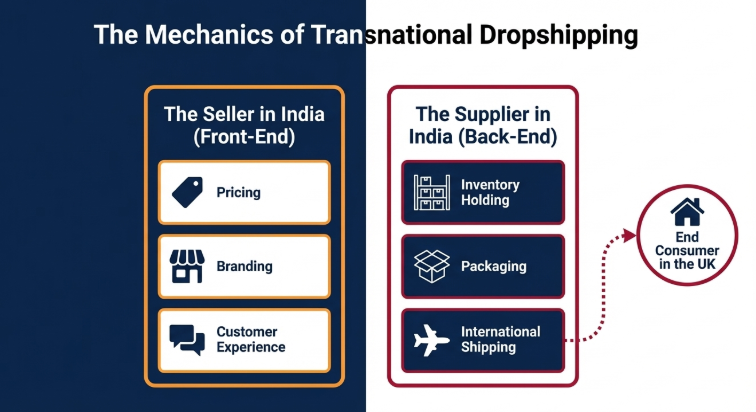
- Pricing
- Branding
- Customer experience
Why the UK is a Strong Market for Indian Sellers
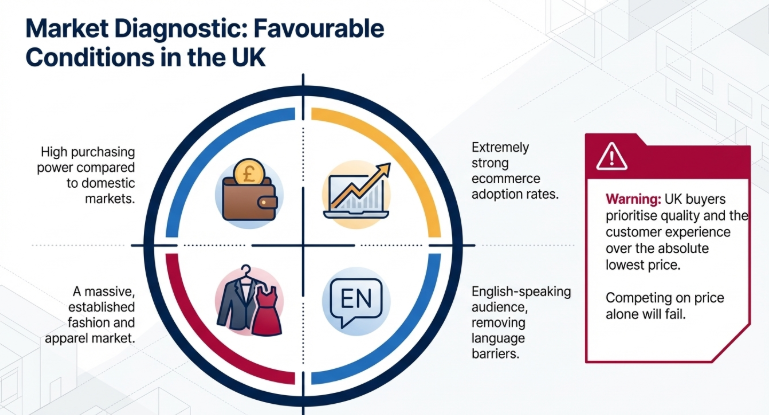
The UK is one of the best markets for Indian dropshippers because:
- High purchasing power
- Strong ecommerce adoption
- Large fashion market
- English-speaking audience
Compared to India, customers in the UK are more focused on quality and experience, not just price.
Best Products to Sell from India to the UK
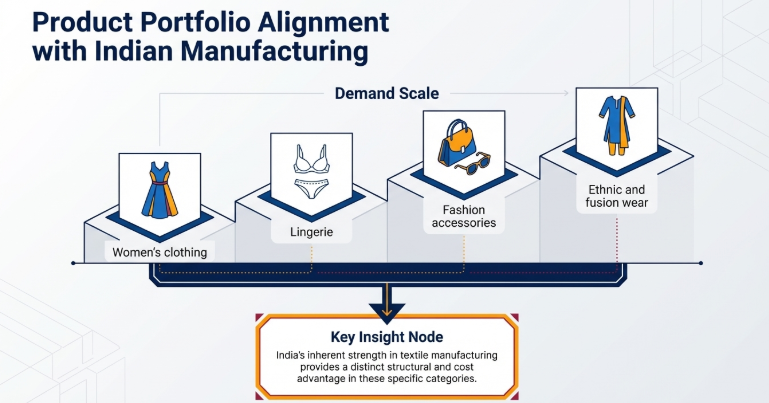
Some categories consistently perform well:
- Women’s clothing
- Lingerie
- Fashion accessories
- Ethnic and fusion wear
If you’re unsure what to sell, you can explore best products for dropshipping in India to understand demand trends before going international.
India’s strength in textile manufacturing gives sellers a clear advantage in these categories.
Shipping Time & Expectations
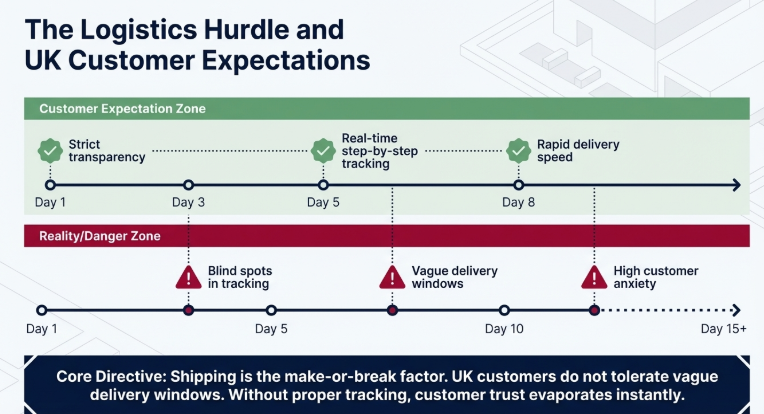
Shipping is one of the most critical factors in international dropshipping.
| Factor | Basic Suppliers | Structured Supplier Systems |
|---|---|---|
| Delivery Time | 10–15 days | 5–8 days |
| Tracking | Limited | Available |
| Packaging | Basic | Better |
| Reliability | Low | High |
UK customers expect transparency — especially with delivery timelines and tracking.
Why Supplier Choice Matters More in the UK Market
International selling amplifies every small issue.
Common problems include:
- Size mismatch
- Poor fabric quality
- Late deliveries
- No proper tracking
This is why experienced sellers don’t depend on random suppliers.
They prefer working with suppliers who:
- Focus on specific niches (like fashion)
- Operate at scale
- Have structured systems
Snazzyway Insight (Real Seller Ecosystem Data)
Over time, certain patterns have become very clear in the Indian dropshipping industry.
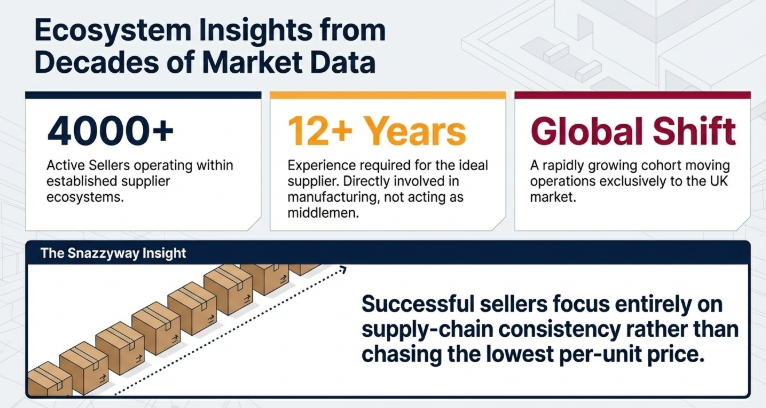
Supplier ecosystems that have been operating for over a decade and working with thousands of sellers tend to build stronger and more reliable systems.
In many cases, these suppliers are not just middlemen but are directly involved in manufacturing — especially in categories like women’s clothing and lingerie.
From real market observations:
- 4000+ sellers are actively working in such ecosystems
- A growing number are expanding to international markets like the UK
- Many successful sellers focus more on consistency than chasing the lowest price
This is why suppliers with long-term experience (12+ years) and structured operations are often preferred by sellers aiming for global scale.
Platform Strategy: Where Should You Sell?
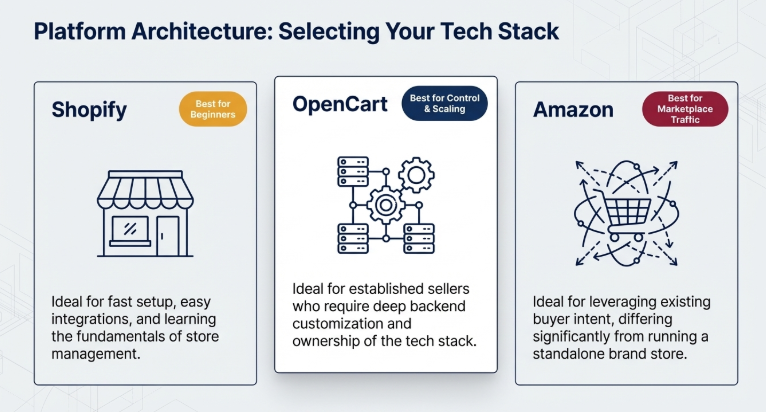
Choosing the right platform depends on your stage:
| Platform | Best For |
|---|---|
| Shopify | Beginners |
| OpenCart | Control & scaling |
| Amazon | Marketplace traffic |
If you’re exploring marketplaces, it’s important to understand Amazon dropshipping in India and how it differs from running your own store.
To understand how supplier systems work in detail, you can also check how Snazzyway dropshipping works for a clearer picture of backend operations.
Real Example: How Sellers Scale to the UK
If you're confused between local vs global, this guide on Indian vs international dropshipping can help you decide the right approach.
A typical successful model looks like:
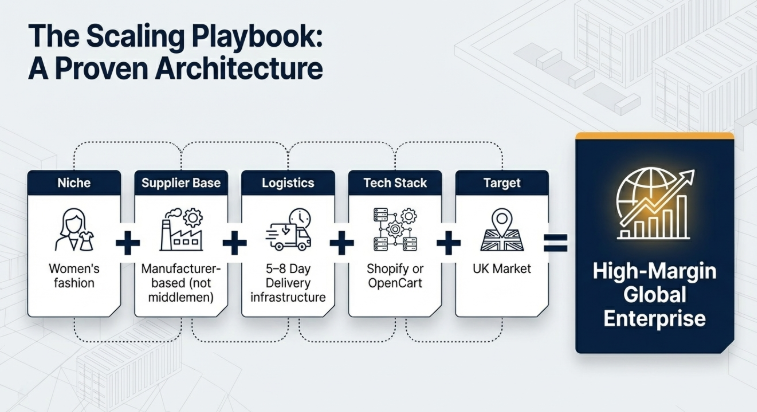
- Niche: Women’s fashion
- Supplier: Manufacturer-based
- Delivery: 5–8 days
- Platform: Shopify/OpenCart
- Market: UK
As sellers grow, they shift focus from just selling products to building a brand.
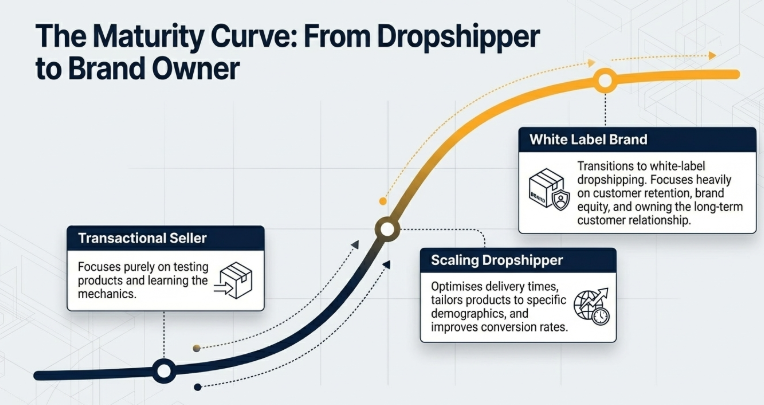
This is where white label dropshipping becomes important for long-term success and customer retention.
You can also explore how businesses tailor products using dropshipping for different demographics to improve conversion rates.
Pros and Cons
Pros
- Higher profit margins
- Global customer base
- Strong demand in fashion
- Scalable business model
Cons
- Shipping delays can affect experience
- Returns are more complex
- Requires reliable supplier
- Higher customer expectations
Our Recommendation
If you're starting:
- Learn basics first
- Choose a niche like fashion
- Focus on supplier quality
If you're scaling:
- Improve delivery experience
- Build brand trust
- Expand to international markets
Our Insight
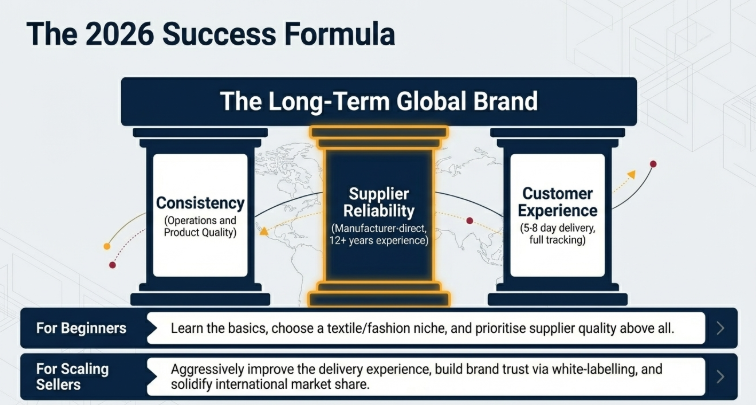
In 2026, dropshipping is no longer about quick wins.
The sellers who succeed — especially internationally — focus on:
- Consistency
- Supplier reliability
- Customer experience
That’s what separates short-term stores from long-term brands.
FAQs
1. Is dropshipping from India to the UK profitable?
Yes, due to higher margins and strong ecommerce demand.
2. What is the delivery time?
Typically 5–10 days depending on supplier.
3. Which products sell best?
Fashion products like clothing and accessories.
4. Which platform should I use?
Shopify for beginners, OpenCart for scaling.
5. Can I build a brand?
Yes, using white label dropshipping.
6. Is UK better than India for dropshipping?
UK offers higher margins, but requires better systems.
Final Thoughts
Dropshipping from India to the UK is a powerful opportunity — but only if you approach it correctly.
If you combine:
- Right niche
- Reliable supplier
- Strong customer experience
👉 You can build a scalable global ecommerce business.